Welcome to the 34th Biennial (mostly) Meeting of the Prairie Grouse Technical Council
“My favorite state has not yet been invented. It will be called Montana, and it will be perfect.” – Abraham Lincoln
“Montana seems to me to be what a small boy would think Texas is like from hearing Texans” –John Steinbeck
“A bad day in Montana is better than a good day anywhere else.” -unknown
Dear Prairie Grousers:
After 31 years, welcome back to Montana! Montana is truly a grouser’s dream – it’s home to healthy populations of sharp‐tailed grouse and greater sage‐grouse, as well as four species of mountain grouse. For non‐purists, Montana also
provides habitat for four other species of non‐grouse upland game birds.
The MSU Wildlife Habitat Ecology Lab, Department of Animal & Range Sciences, Montana Agricultural Experiment Station, and Montana Extension are honored to host the 34th PGTC. Yep, we’ve got great mountains, but we hope you will take some time to explore Montana’s more underrated natural wonders while you are here – its vast intact prairies and rural communities.
On behalf of the PGTC Board and Conference Planning Committee, thanks for coming.
Lance McNew
“Montana seems to me to be what a small boy would think Texas is like from hearing Texans” –John Steinbeck
“A bad day in Montana is better than a good day anywhere else.” -unknown
Dear Prairie Grousers:
After 31 years, welcome back to Montana! Montana is truly a grouser’s dream – it’s home to healthy populations of sharp‐tailed grouse and greater sage‐grouse, as well as four species of mountain grouse. For non‐purists, Montana also
provides habitat for four other species of non‐grouse upland game birds.
The MSU Wildlife Habitat Ecology Lab, Department of Animal & Range Sciences, Montana Agricultural Experiment Station, and Montana Extension are honored to host the 34th PGTC. Yep, we’ve got great mountains, but we hope you will take some time to explore Montana’s more underrated natural wonders while you are here – its vast intact prairies and rural communities.
On behalf of the PGTC Board and Conference Planning Committee, thanks for coming.
Lance McNew
34th Prairie Grouse Technical Council Sponsors
Northern Great Plains Joint Venture
Prairie Pothole Joint Venture
Big Sky Upland Bird Association
Montana State University
Northern Great Plains Joint Venture
Prairie Pothole Joint Venture
Big Sky Upland Bird Association
Montana State University
Acknowledgements
Many fine folks have assisted with planning this meeting. Special thanks to the following:
PGTC Conference Planning Committee (alphabetically)
John Carlson – U.S. Fish and Wildlife Service
Ben Deeble – Big Sky Upland Bird Association
Sean Fields – Prairie Pothole Joint Venture
Jon Haufler – Ecosystem Management Research Institute
Denise Hoepfner – Montana State University
Lance McNew – Montana State University
Lucinda Morris – Prairie Pothole Joint Venture
Steve Riley – Northern Great Plains Joint Venture
Paul Santavy – CMR NWR, U.S. Fish and Wildlife Service
Morgan Solomon – Montana State University
PGTC Executive Board
Lance McNew (MT) – Chair (2019-present)
Don Wolfe (OK) – Past-chair (2017-2019)
RJ Gross (ND) – Past-chair (2015-2017)
Morgan Solomon (MT) – Secretary (Chairperson-assigned)
Field Trip Planning and Coordination
Paul Santavy, Ben Deeble, Morgan Solomon, Denise Hoepfner, Lance McNew
PGTC Awards Committee (in addition to Executive Board)
Mike Schroeder – Washington Department of Fish and Wildlife
Christian Hagen – Oregon State University
John Teopfer Prairie Grouse Research Scholarship Selection Committee
Aaron Pratt (Chair) – G.M. Sutton Avian Research Center
RJ Gross – North Dakota Game and Fish
Gary Huschle – U.S. Fish and Wildlife Service
Mike Schroeder – Washington Department of Fish and Wildlife
Greg Septon – Peregrine Management and Research, LLC
Dan Svedarsky – University of Minnesota, Crookston
Don Wolfe – G.M. Sutton Avian Research Center
PGTC Conference Planning Committee (alphabetically)
John Carlson – U.S. Fish and Wildlife Service
Ben Deeble – Big Sky Upland Bird Association
Sean Fields – Prairie Pothole Joint Venture
Jon Haufler – Ecosystem Management Research Institute
Denise Hoepfner – Montana State University
Lance McNew – Montana State University
Lucinda Morris – Prairie Pothole Joint Venture
Steve Riley – Northern Great Plains Joint Venture
Paul Santavy – CMR NWR, U.S. Fish and Wildlife Service
Morgan Solomon – Montana State University
PGTC Executive Board
Lance McNew (MT) – Chair (2019-present)
Don Wolfe (OK) – Past-chair (2017-2019)
RJ Gross (ND) – Past-chair (2015-2017)
Morgan Solomon (MT) – Secretary (Chairperson-assigned)
Field Trip Planning and Coordination
Paul Santavy, Ben Deeble, Morgan Solomon, Denise Hoepfner, Lance McNew
PGTC Awards Committee (in addition to Executive Board)
Mike Schroeder – Washington Department of Fish and Wildlife
Christian Hagen – Oregon State University
John Teopfer Prairie Grouse Research Scholarship Selection Committee
Aaron Pratt (Chair) – G.M. Sutton Avian Research Center
RJ Gross – North Dakota Game and Fish
Gary Huschle – U.S. Fish and Wildlife Service
Mike Schroeder – Washington Department of Fish and Wildlife
Greg Septon – Peregrine Management and Research, LLC
Dan Svedarsky – University of Minnesota, Crookston
Don Wolfe – G.M. Sutton Avian Research Center
PROGRAM
Monday, October 3
6:00 – 8:00 p.m. Opening reception (finger foods, drinks available at bar)
Tuesday, October 4
8:00 – 8:40 am: Welcome
AM Moderator: Morgan Solomon (MSU)
SAGE GROUSE
11:40 a.m. to 1 p.m.: LUNCH (on your own)
PM Moderator: Aubrey Sullivan (MSU)
Lesser Prairie Chicken
2:40 – 3:00 pm Break
4:40 - 5:30 p.m.: BREAK
5:30 - 7:30 p.m.: Poster Session/Social at American Prairie National Discovery Center
Wednesday, October 5
8:00 am – 4:00 pm Field Tour - Departs in front of the Yogo Inn at 8 a.m. sharp. Bagged lunches provided.
Thursday, October 6
AM Moderator: Trapper Haynam (MSU)
Greater Prairie Chicken and Sharp-Tailed Grouse
10:00 – 10:20 am Break
12:00 – 1:30 pm Lunch (on your own)
PM Moderator: Hunter Stier (MSU)
Methods, Attwater's and Other Topics
3:00 – 3:20 pm Break
5:00 – 5:15 Break
5:15 – 5:45 pm Business Meeting
6:00 – 8:00 pm Banquet and Keynotes by Andrew McKean
6:00 – 8:00 p.m. Opening reception (finger foods, drinks available at bar)
Tuesday, October 4
8:00 – 8:40 am: Welcome
- Hank Worsech, Director, Montana Department of Fish, Wildlife and Parks
- Lance McNew, PGTC Chair
AM Moderator: Morgan Solomon (MSU)
SAGE GROUSE
- 8:40 – 9:00 am: Hayman et al. GROUSE‐HABITAT RELATIONSHIPS ARE DRIVEN BY MULTILEVEL MOVEMENT PROCESSES
- 9:00 – 9:20 am: Messmer et al. IMPACT OF GRAZING MANAGEMENT ON VITAL RATES OF GREATER SAGE‐GROUSE
- 9:20 – 9:40 am: Morford et al. ACCELERATING TREE ENCROACHMENT
- THREATENS GROUSE HABITAT
- 9:40 – 10:00 am: Parsons et al. RELATING SAGE‐GROUSE NEST SUCCESS AND AMERICAN BADGER OCCURRENCE IN SD
- 10:20 – 10:40 am: Maxwell et al. AN INTRODUCTION TO THE BIBLIOGRAPHY ON GREATER SAGE‐GROUSE
- 10:40 – 11:00 am: Dahlgren et al. GROUSE TRANSLOCATIONS: MOVING BROODS, POPULATION IMPACTS, AND HABITAT
- 11:00 – 11:20 am: Gregory et al. SAGE‐GROUSE ARE AN UMBRELLA SPECIES
- 11:20 – 11:40 am: Smith et al. INVASIVE ANNUAL GRASSES AND FIRE
11:40 a.m. to 1 p.m.: LUNCH (on your own)
PM Moderator: Aubrey Sullivan (MSU)
Lesser Prairie Chicken
- 1:00 – 1:20 pm Evans et al. ABOVE GROUND BIOMASS RESPONSE TO PRESCRIBED GRAZING FOR LESSER PRAIRIE‐CHICKEN
- 1:20 – 1:40 pm Haufler and Koch. NAGP’S CONSERVATION PLAN FOR LESSER PRAIRIE‐CHICKENS
- 1:40 – 2:00 pm Bain. LESSER PRAIRIE‐CHICKEN STRONGHOLD DEVELOPMENT AT TNC’S SMOKY VALLEY RANCH
- 2:00 – 2:20 pm Ricklefs et al. INVESTIGATING THE USE OF GRAZING DISTURBANCE FOR THE LESSER‐PRAIRIE CHICKEN
- 2:20 – 2:40 pm Rieber et al. LESSER PRAIRIE‐CHICKEN MOVEMENTS UNDER PATCH‐BURN AND ROTATIONAL GRAZING
2:40 – 3:00 pm Break
- 3:00 – 3:20 pm Parker et al. DEMOGRAPHIC EFFECTS OF A MEGAFIRE ON LESSER PRAIRIE‐CHICKENS IN MIXED‐GRASS PRAIRIE
- 3:20 – 3:40 pm Solomon and McNew. EVALUATION OF HABITAT FOR PRIORITIZING LESSER PRAIRIE‐CHICKEN CONSERVATION
- 3:40 – 4:00 pm Messier et al. LINKING GREENESS (NDVI) TO LESSER PRAIRIE‐CHICKEN REPRODUCTIVE HABITAT QUALITY
- 4:00 – 4:20 pm Vhay et al. ASSESSMENT OF LESSER PRAIRIE‐CHICKEN HABITAT IN THE SAND SAGEBRUSH PRAIRIE
- 4:20 – 4:40 pm Teige et al. ASSESSMENT OF LESSER PRAIRIE‐CHICKEN TRANSLOCATION
4:40 - 5:30 p.m.: BREAK
5:30 - 7:30 p.m.: Poster Session/Social at American Prairie National Discovery Center
Wednesday, October 5
8:00 am – 4:00 pm Field Tour - Departs in front of the Yogo Inn at 8 a.m. sharp. Bagged lunches provided.
Thursday, October 6
AM Moderator: Trapper Haynam (MSU)
Greater Prairie Chicken and Sharp-Tailed Grouse
- 8:00 ‐ 8:20 am: Augustine. PARTICIPANTS FLOCK TO KANSAS LEK TREKS PRAIRIE‐CHICKEN FESTIVAL
- 8:20 – 8:40 am Roy et al. SHARP‐TAILED GROUSE RESPONSES TO FALL PRESCRIBED FIRE AND MOWING
- 8:40 – 9:00 am Deeble et al. RESTORATION OF SHARP‐TAILED GROUSE TO WESTERN MONTANA
- 9:00 – 9:20 am Londe et al. WHY DIDN’T THE CHICKEN CROSS THE ROAD? IMPACTS OF ENERGY DEVELOPMENT
- 9:20 – 9:40 am Haufler et al. CONSERVATION PLAN FOR GREATER PRAIRIE‐CHICKENS AND SHARP‐TAILED GROUSE
- 9:40 – 10:00 am Woods. LONG‐TERM POPULATION MONITORING OF
- SHARP‐TAILED GROUSE IN BRITISH COLUMBIA
10:00 – 10:20 am Break
- 10:20 – 10:40 am Rutledge et al. PRIVATE LANDS STEWARDSHIP IN THE FLINT HILLS FOR GREATER PRAIRIE‐CHICKENS
- 10:40 – 11:00 am Roy and Chen. NEONICOTINOID PREVALENCE IN SHARPTAILED GROUSE AND GREATER PRAIRIE‐CHICKENS
- 11:00 – 11:20 am Ellis‐Felege et al. THE STORY OF THE RISE AND FALL OF PRAIRIE CHICKENS IN EASTERN NORTH DAKOTA
- 11:20 – 11:40 am Kieleczowa. RANGEWIDE GENETIC DIVERSITY OF THE GREATER PRAIRIE‐CHICKEN
12:00 – 1:30 pm Lunch (on your own)
PM Moderator: Hunter Stier (MSU)
Methods, Attwater's and Other Topics
- 1:40 – 2:00 pm Morrow et al. FACTORS AFFECTING SURVIVAL OF ATTWATER’S PRAIRIE‐CHICKEN BROODS
- 2:00 – 2:20 pm Larsson et al. CAPTIVE PROPAGATION OF ATTWATER’S PRAIRIE‐CHICKENS FOR RELEASE: UPDATES
- 2:20 – 2:40 pm Hagen and Dugger. EVALUATION OF RUMP‐MOUNTED TELEMETRY HARNESSES
- 2:40 – 3:00 pm Walker and Schroeder. ATYPICAL PRIMARY MOLT PATTERNS IN GREATER SAGE‐GROUSE
3:00 – 3:20 pm Break
- 3:20 – 3:40 pm Stein and Gregory. A DEEP DIVE INTO THE GENETIC DIVERSITY OF GREATER AND LESSER PRAIRIE‐CHICKENS
- 3:40 – 4:00 pm Hanlon et al. DRONES AND MACHINE LEARNING ADVANCEMENTS IN LEK‐BASED POPULATION SURVEYS
- 4:00 – 4:20 pm Rodgers. SUGGESTED PREVENTATIVE MEASURES TO LIMIT OLD‐WORLD BLUESTEM INVASION
- 4:20 – 4:40 pm Plourde and Harris. MONTANA FISH, WILDLIFE AND PARKS HABITAT PROGRAMS FOR UPLAND GAME BIRDS
- 4:40 – 5:00 pm Richard et al. ORIGINS OF COLUMBIAN SHARP‐TAILED GROUSE IN GRAND TETON NATIONAL PARK, WYOMING
5:00 – 5:15 Break
5:15 – 5:45 pm Business Meeting
6:00 – 8:00 pm Banquet and Keynotes by Andrew McKean
FIELD TOUR
The tour will visit sites that support robust sharp-tailed grouse and greater sage-grouse populations in north-central Montana. Speakers will discuss habitat attributes, management objectives and strategies, and on-going restoration efforts. Highlighted spots will include federal public lands managed by the U.S. Fish & Wildlife Service (Charles M. Russell National Wildlife Refuge) and Bureau of Land Management, and privately owned lands managed by American Prairie and local conservation-oriented landowners. The tour will last approximately 8 hours, departing Lewistown at 8:00AM and returning 4 p.m. Lunch and drinks will be supplied, and portable toilets will be available.
Download field tour itinerary and map.
Download field tour itinerary and map.

| FIELD TOUR.pdf |
THE HAMERSTROM AWARD
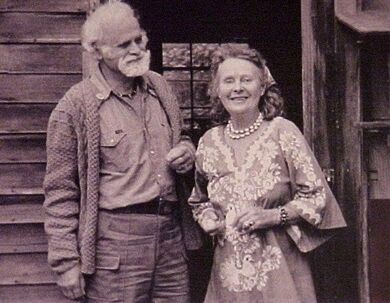
The Hamerstrom Award was established in honor of Fred and Fran Hamerstrom, pioneers of prairie grouse research and management. It will be awarded at the meeting of the Prairie Grouse Technical Council. The award will consist of a plaque with the engraved name of the recipient.
Award Criteria: 1. To recognize individual(s) and organization(s) who have made significant contributions in prairie grouse research, management or other support programs which have enhanced the welfare of one or more species of prairie grouse in a particular state or region. 2. The contribution should be evidenced by a sustained effort over at least 10 years. 3. The contribution may be related to research, management activity, promotion of an integrated program, or some combination thereof. The relative importance given to these three categories of contributions is the prerogative of the Awards Committee but it should be based on how it has helped the overall welfare and survival of prairie grouse.
Selection Procedure: 1. The selection of award recipients will be made by the three-member Executive Board and two additional members appointed by the Chairman. 2. Nominations will be accepted at large as well as from members of the Awards Committee. 3. Nominations will be submitted to the designated Awards Committee Chairman at least one month before the biennial meeting of the Prairie Grouse Technical Council. 4. Nominations should include the following information: A. Name, address, and phone number of nominee. B. Biographic sketch of individual of brief history of an organization. C. Overview of contributions indicating the nature of the contributions, duration, how it has contributed to the welfare of one or more species of prairie grouse, and the geographic area influenced by the contributions. 5. A maximum of two individual awards and two organization awards may be presented at a biennial meeting. No awards will be given if the Awards Committee feels that no deserving individuals or organization are available at the time.
The first recipient was Fran Hamerstrom, in 1991, and it has been since awarded at the biennial meetings of the Prairie Grouse Technical Council. When the awards program was in the concept stage, Fran wanted to ensure that the Hamerstrom name not be associated with any interpretation of the word “conservation” that would include any relationship to the anti-hunting mentality. To make that clear, the awards presentation is to include the following recommendation from Fran’s Wild Foods Cookbook on yet another way to enjoy prairie grouse.
Award Criteria: 1. To recognize individual(s) and organization(s) who have made significant contributions in prairie grouse research, management or other support programs which have enhanced the welfare of one or more species of prairie grouse in a particular state or region. 2. The contribution should be evidenced by a sustained effort over at least 10 years. 3. The contribution may be related to research, management activity, promotion of an integrated program, or some combination thereof. The relative importance given to these three categories of contributions is the prerogative of the Awards Committee but it should be based on how it has helped the overall welfare and survival of prairie grouse.
Selection Procedure: 1. The selection of award recipients will be made by the three-member Executive Board and two additional members appointed by the Chairman. 2. Nominations will be accepted at large as well as from members of the Awards Committee. 3. Nominations will be submitted to the designated Awards Committee Chairman at least one month before the biennial meeting of the Prairie Grouse Technical Council. 4. Nominations should include the following information: A. Name, address, and phone number of nominee. B. Biographic sketch of individual of brief history of an organization. C. Overview of contributions indicating the nature of the contributions, duration, how it has contributed to the welfare of one or more species of prairie grouse, and the geographic area influenced by the contributions. 5. A maximum of two individual awards and two organization awards may be presented at a biennial meeting. No awards will be given if the Awards Committee feels that no deserving individuals or organization are available at the time.
The first recipient was Fran Hamerstrom, in 1991, and it has been since awarded at the biennial meetings of the Prairie Grouse Technical Council. When the awards program was in the concept stage, Fran wanted to ensure that the Hamerstrom name not be associated with any interpretation of the word “conservation” that would include any relationship to the anti-hunting mentality. To make that clear, the awards presentation is to include the following recommendation from Fran’s Wild Foods Cookbook on yet another way to enjoy prairie grouse.
Prairie Grouse
Adapted from: Hamerstrom, Frances. 1989. Wild Foods Cookbook. Iowa State University Press, Ames, Iowa.
“Prairie grouse are outstanding table birds. Unlike most gallinaceous birds such as pheasant and ruffed grouse, they retain their juices well and do not tend to dry out while cooking. Very young birds, still in juvenal plumage, have light breast meat and delicate texture, but the flavor is still undeveloped. By October, almost all the birds are in prime condition, with breast meat dark, almost like the legs, and very delicious. Chickens and sharptails should be served rare or at most well-done.
Roast: Pluck dry, dress and clean. Do not stuff. Roast in a hot oven (450 degrees) 25 minutes for medium-rare sharptails or chickens.
Fried Prairie Grouse: Pluck, dress, and clean. Cut in pieces for frying. The breasts of these birds are so plump that it is often simpler to cut them away from the bone: then cut or divide each side of the breast into two pieces. If this is not done, the legs and back will be overdone while the breast still requires more cooking. Flour each piece lightly before placing it in the hot fat. Salt just before serving.
If you want to take the wild taste out of your grouse, pay no attention to anything I’ve written."
Adapted from: Hamerstrom, Frances. 1989. Wild Foods Cookbook. Iowa State University Press, Ames, Iowa.
“Prairie grouse are outstanding table birds. Unlike most gallinaceous birds such as pheasant and ruffed grouse, they retain their juices well and do not tend to dry out while cooking. Very young birds, still in juvenal plumage, have light breast meat and delicate texture, but the flavor is still undeveloped. By October, almost all the birds are in prime condition, with breast meat dark, almost like the legs, and very delicious. Chickens and sharptails should be served rare or at most well-done.
Roast: Pluck dry, dress and clean. Do not stuff. Roast in a hot oven (450 degrees) 25 minutes for medium-rare sharptails or chickens.
Fried Prairie Grouse: Pluck, dress, and clean. Cut in pieces for frying. The breasts of these birds are so plump that it is often simpler to cut them away from the bone: then cut or divide each side of the breast into two pieces. If this is not done, the legs and back will be overdone while the breast still requires more cooking. Flour each piece lightly before placing it in the hot fat. Salt just before serving.
If you want to take the wild taste out of your grouse, pay no attention to anything I’ve written."
Past Recipients of the Hamerstrom Award
1991 Fran Hamerstrom
1993 Ron Westemeier
1995 Dan Svedarsky and Jerry Kobriger
1998 Bob Robel
1999 Bill Berg
2001 Len McDaniel
2003 John Toepfer
2005 Nova Silvy and The Society of Tympanuchus Cupido Pinnatus, Ltd.
2007 Rick Baydack and Kerry Reese
2009 Randy Rodgers and Bill Vodehnal
2011 Mike Morrow, Jack Connelly, and The Minnesota Prairie Chicken Society
2013 Terry Wolfe, Mike Schroeder, and the Sutton Avian Research Center
2015 Patricia McDaniel and David Haukos
2017 K. C. Jensen, Don Wolfe, and The Minnesota Sharp-tailed Grouse Society
2019 Christian Hagen
1993 Ron Westemeier
1995 Dan Svedarsky and Jerry Kobriger
1998 Bob Robel
1999 Bill Berg
2001 Len McDaniel
2003 John Toepfer
2005 Nova Silvy and The Society of Tympanuchus Cupido Pinnatus, Ltd.
2007 Rick Baydack and Kerry Reese
2009 Randy Rodgers and Bill Vodehnal
2011 Mike Morrow, Jack Connelly, and The Minnesota Prairie Chicken Society
2013 Terry Wolfe, Mike Schroeder, and the Sutton Avian Research Center
2015 Patricia McDaniel and David Haukos
2017 K. C. Jensen, Don Wolfe, and The Minnesota Sharp-tailed Grouse Society
2019 Christian Hagen
The John Toepfer Prairie Grouse Research Scholarship
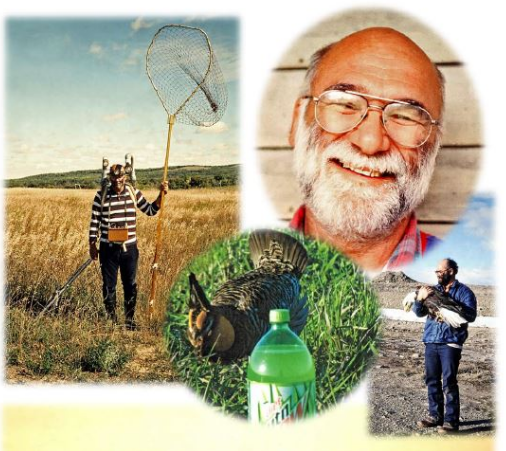
Dr. John Toepfer devoted 50 years to research and conservation of prairie grouse and mentored dozens of students. He unselfishly provided resources, encouragement, and advice to students and colleagues, and encouraged
long-term field studies rather than purely academic research. To honor John’s life and to continue his legacy of supporting prairie grouse students, the G. M. Sutton Avian Research Center, and a number of John’s colleagues and friends, established the John Toepfer Prairie Grouse Research Scholarship fund. This fund will provide opportunities for continued work on the prairie grouse John committed his
life to saving and will ensure the availability of perpetual support for graduate students studying prairie grouse.
John’s career was varied and covered a lot of ground,
starting with a BS and MS degree at University of
Wisconsin – Stevens Point working with Ray Anderson and Fred and Fran Hamerstrom. He also would later receive his PhD at Montana State University studying prairie chickens. John worked over several states but primarily with prairie grouse in the Midwest. From 1996 – 2015, he served as Research Consultant with the Society of Tympanuchus Cupido Pinnatus, Ltd. conducting field research on prairie chickens in Wisconsin and across their range. This was a group that was stewarded by the Hamerstroms. John served on the Attwater’s Prairie-Chicken Recovery Team and on the Board of the North American Grouse Partnership. He received The Hamerstrom Award from the Prairie Grouse Technical Council and the Minnesota Award from the Minnesota Chapter of the Wildlife Society.
John would use his photo of a prairie chicken sunrise and the question, “Is the sun rising for the prairie chicken...,” as a springboard to challenge managers, conservationists, and students on whether their actions were creating a brighter future for the well-being of prairie chickens. This award will be given in recognition that with future professionals as those represented by the award’s recipients then indeed “the sun is rising” on the future of prairie grouse. The only minimum criteria for consideration is that the applicant be a student actively researching prairie grouse and plan to attend and present their research findings at the upcoming Prairie Grouse Technical Council meeting. It will be viewed positively if the applicant exhibits a passion that is consistent with what John would have expected from a true student of prairie grouse.
long-term field studies rather than purely academic research. To honor John’s life and to continue his legacy of supporting prairie grouse students, the G. M. Sutton Avian Research Center, and a number of John’s colleagues and friends, established the John Toepfer Prairie Grouse Research Scholarship fund. This fund will provide opportunities for continued work on the prairie grouse John committed his
life to saving and will ensure the availability of perpetual support for graduate students studying prairie grouse.
John’s career was varied and covered a lot of ground,
starting with a BS and MS degree at University of
Wisconsin – Stevens Point working with Ray Anderson and Fred and Fran Hamerstrom. He also would later receive his PhD at Montana State University studying prairie chickens. John worked over several states but primarily with prairie grouse in the Midwest. From 1996 – 2015, he served as Research Consultant with the Society of Tympanuchus Cupido Pinnatus, Ltd. conducting field research on prairie chickens in Wisconsin and across their range. This was a group that was stewarded by the Hamerstroms. John served on the Attwater’s Prairie-Chicken Recovery Team and on the Board of the North American Grouse Partnership. He received The Hamerstrom Award from the Prairie Grouse Technical Council and the Minnesota Award from the Minnesota Chapter of the Wildlife Society.
John would use his photo of a prairie chicken sunrise and the question, “Is the sun rising for the prairie chicken...,” as a springboard to challenge managers, conservationists, and students on whether their actions were creating a brighter future for the well-being of prairie chickens. This award will be given in recognition that with future professionals as those represented by the award’s recipients then indeed “the sun is rising” on the future of prairie grouse. The only minimum criteria for consideration is that the applicant be a student actively researching prairie grouse and plan to attend and present their research findings at the upcoming Prairie Grouse Technical Council meeting. It will be viewed positively if the applicant exhibits a passion that is consistent with what John would have expected from a true student of prairie grouse.
If you would like to honor John’s contribution to prairie grouse research and conservation, please donate to the scholarship fund. Tax-deductible contributions can be made to the John Toepfer Prairie Grouse Research Scholarship by donations to Sutton Avian Research Center. Define with the donation that it goes towards the scholarship. Credit card donations can be made on the website suttoncenter.org and checks can be mailed to G. M. Sutton Avian Research Center, P.O. Box 2007, Bartlesville, OK 74005.
PGTC Conferences
PGTC Conferences
1st Grand Island, Nebraska September 1957
2nd Emporia, Kansas March 1959
3rd Stevens Point, Wisconsin September 1960
4th Pierre, South Dakota September 1961
5th Nevada, Missouri September 1963
6th Warroad, Minnesota September 1965
7th Effingham, Illinois September 1967
8th Woodward, Oklahoma September 1969
9th Dickinson, North Dakota September 1971
10th Lamar, Colorado September 1973
11th Victoria, Texas September 1975
12th Pierre, South Dakota September 1977
13th Wisconsin Rapids, Wisconsin September 1979
14th Halsey, Nebraska September 1981
15th Emporia, Kansas September 1983
16th Sedalia, Missouri September 1985
17th Crookston, Minnesota September 1987
18th Escanaba, Michigan September 1989
19th Billings, Montana September 1991
20th Ft. Collins, Colorado July 1993
21st Medora, North Dakota August 1995
22nd College Station, Texas February 1998
23rd Gimli, Manitoba September 1999
24th Woodward, Oklahoma November 2001
25th Siren, Wisconsin September 2003
26th Valentine, Nebraska September 2005
27th Chamberlain, South Dakota October 2007
28th Portales, New Mexico October 2009
29th Hayes, Kansas October 2011
30th Crookston, Minnesota September 2013
31st Nevada, Missouri September 2015
32nd Dickinson, North Dakota October 2017
33rd Bartlesville, Oklahoma October 2019
34th Lewistown, Montana October 2022
1st Grand Island, Nebraska September 1957
2nd Emporia, Kansas March 1959
3rd Stevens Point, Wisconsin September 1960
4th Pierre, South Dakota September 1961
5th Nevada, Missouri September 1963
6th Warroad, Minnesota September 1965
7th Effingham, Illinois September 1967
8th Woodward, Oklahoma September 1969
9th Dickinson, North Dakota September 1971
10th Lamar, Colorado September 1973
11th Victoria, Texas September 1975
12th Pierre, South Dakota September 1977
13th Wisconsin Rapids, Wisconsin September 1979
14th Halsey, Nebraska September 1981
15th Emporia, Kansas September 1983
16th Sedalia, Missouri September 1985
17th Crookston, Minnesota September 1987
18th Escanaba, Michigan September 1989
19th Billings, Montana September 1991
20th Ft. Collins, Colorado July 1993
21st Medora, North Dakota August 1995
22nd College Station, Texas February 1998
23rd Gimli, Manitoba September 1999
24th Woodward, Oklahoma November 2001
25th Siren, Wisconsin September 2003
26th Valentine, Nebraska September 2005
27th Chamberlain, South Dakota October 2007
28th Portales, New Mexico October 2009
29th Hayes, Kansas October 2011
30th Crookston, Minnesota September 2013
31st Nevada, Missouri September 2015
32nd Dickinson, North Dakota October 2017
33rd Bartlesville, Oklahoma October 2019
34th Lewistown, Montana October 2022